
Sardinia, more than 25 years on: passing on a living heritage
More than 25 years after identifying the first Blue Zone in Sardinia, Professor Michel Poulain still returns to the region where his research on exceptional longevity began.
This time, the trip had a special meaning. He travelled with his grandchildren, and wanted to share with them not only the science, but also the human values he has encountered over the years.
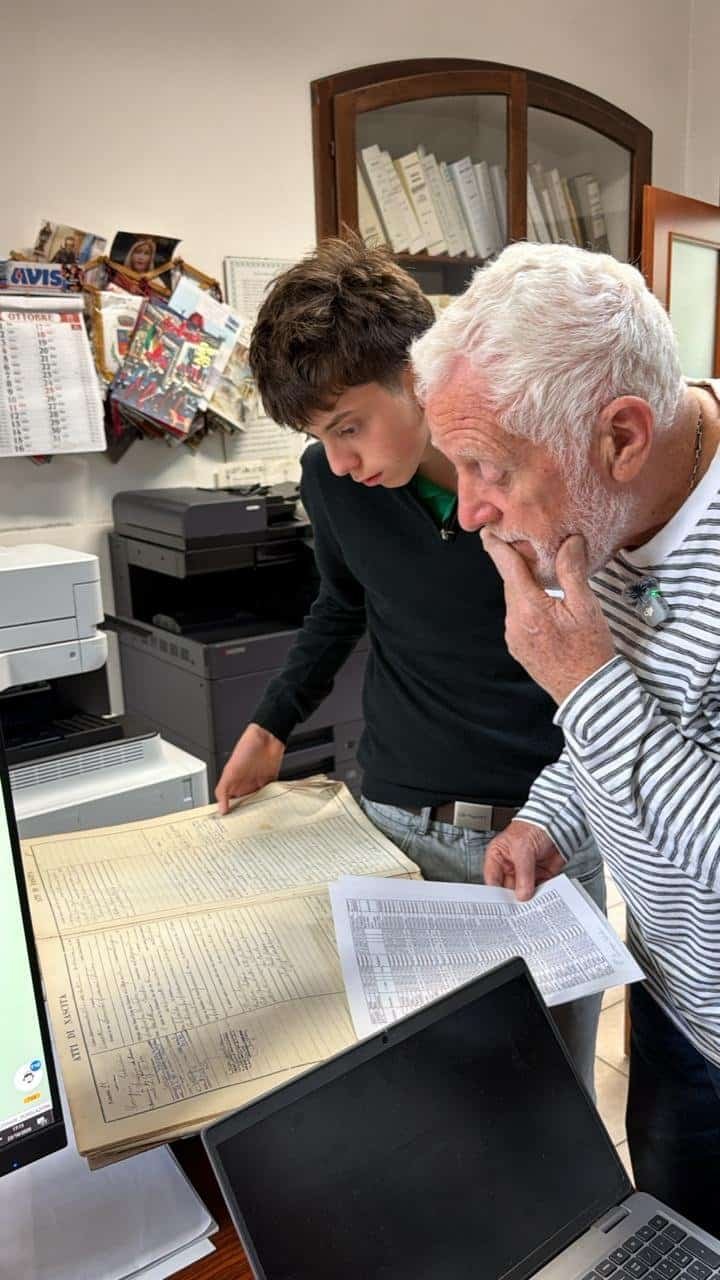
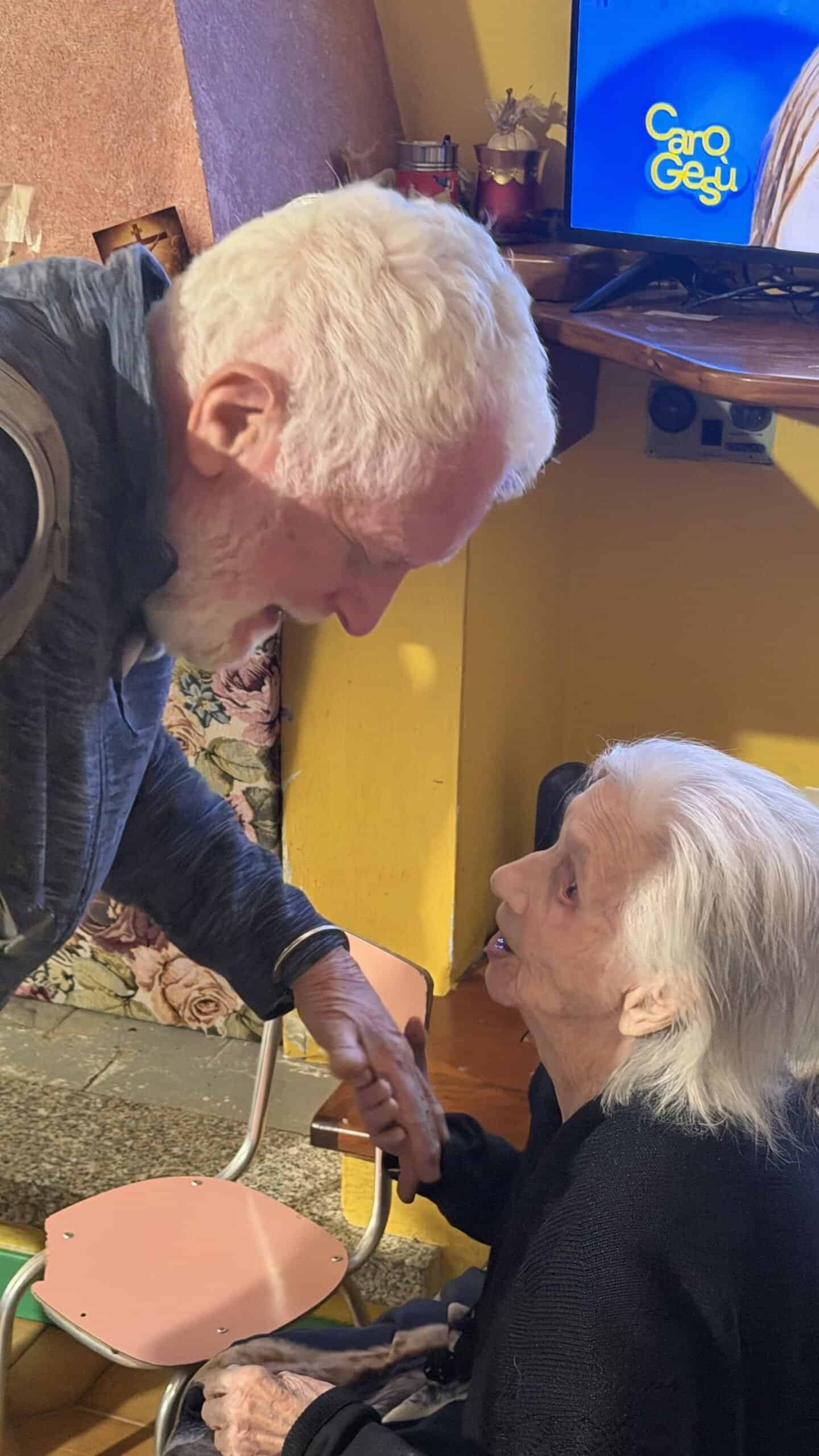
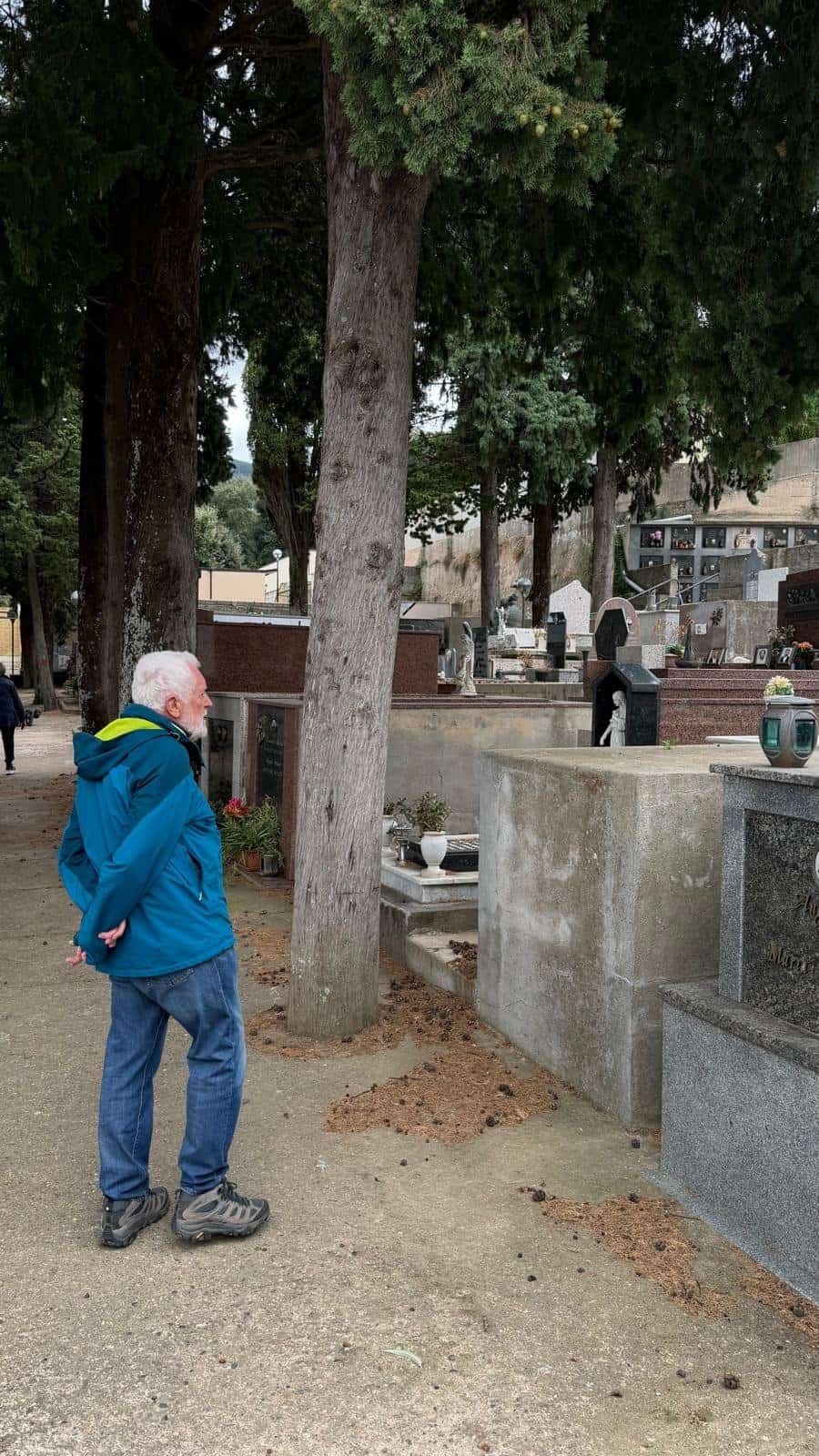
Together, they visited centenarians in their homes, walked through cemeteries to check historical ages, and went through demographic records at the town hall. They saw first-hand how much careful, patient work stands behind the recognition of exceptional longevity.
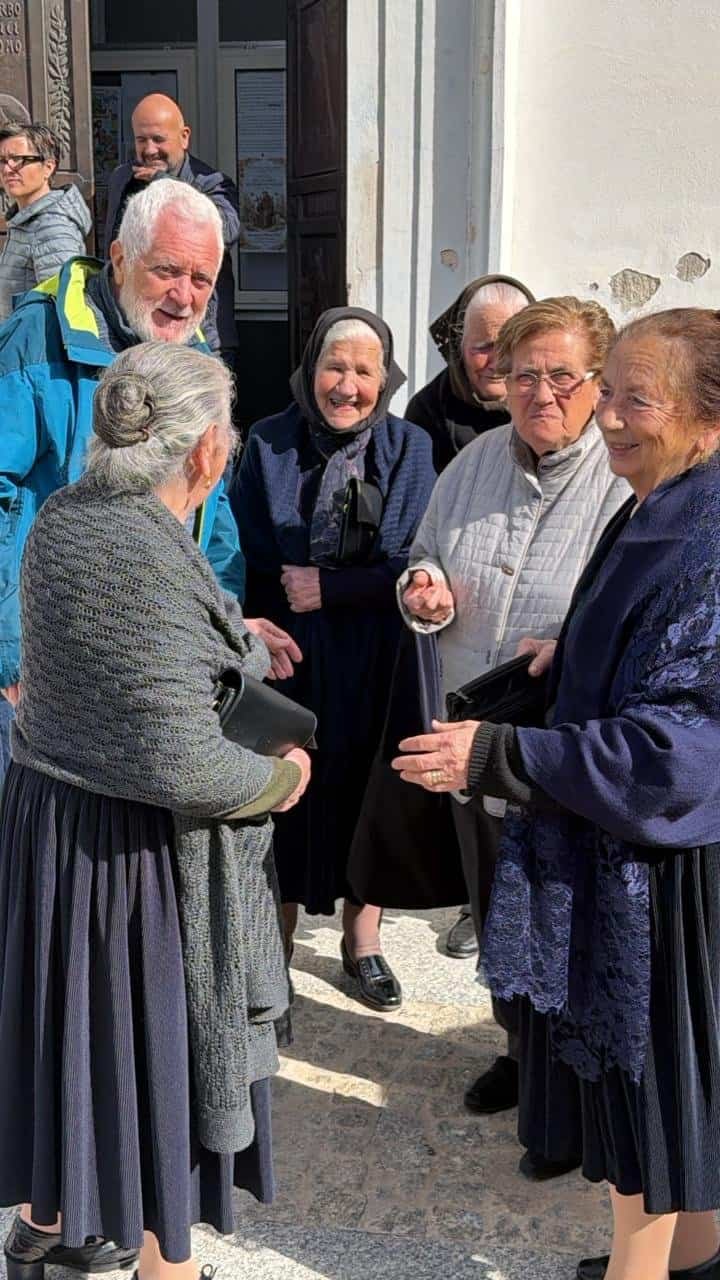
What stayed with them most, though, was everyday life. In these villages, older people remain surrounded by family, friends and neighbours. Traditions are still part of daily life, and simplicity, natural movement, human connection and a close bond with nature shape the way people live.
For Michel, protecting this heritage matters deeply. His continued involvement in Villagrande and the wider region reflects his commitment to the communities that have helped us understand longevity so much better.
Exceptional longevity here is about much more than numbers. It is a living heritage of traditions, relationships, knowledge and ways of life, passed down from one generation to the next. It deserves to be protected, for Sardinia and for everyone who can learn from it.
For his grandchildren, the journey was a chance to understand these values for themselves, and perhaps to carry them forward one day.
These communities remind us that a meaningful life is built on human connection, a sense of belonging, respect for nature and the simple joy of living. This is the spirit Living Blue Zone wants to keep alive and share, wherever communities wish to put life back at the centre.